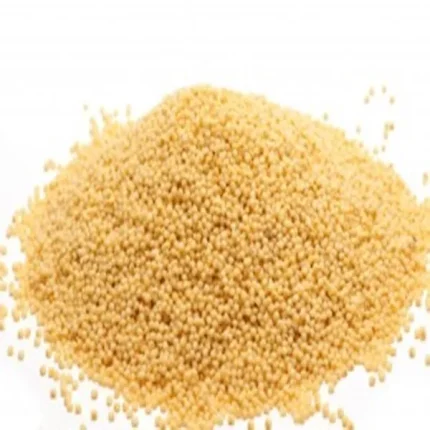



Rapeseed
Rapeseed is primarily grown in temperate regions worldwide, with Canada being the largest producer. The oil extracted from rapeseed seeds is used for cooking, biodiesel production, and as a feedstock for industrial applications. Additionally, rapeseed meal, a byproduct of oil extraction, is utilized as animal feed due to its high protein content.
Rapeseed, scientifically known as Brassica napus, is a bright yellow flowering plant belonging to the Brassicaceae family. It is cultivated for its oil-rich seeds, commonly used in various industries. Rapeseed oil is widely recognized for its nutritional value and versatility. The plant is an annual crop that can reach a height of up to 1.5 meters. It has broad, lobed leaves and produces vibrant yellow flowers that eventually develop into seed pods. Rapeseed is primarily grown in temperate regions worldwide, with Canada being the largest producer. The oil extracted from rapeseed seeds is used for cooking, biodiesel production, and as a feedstock for industrial applications. Additionally, rapeseed meal, a byproduct of oil extraction, is utilized as animal feed due to its high protein content.
Related products
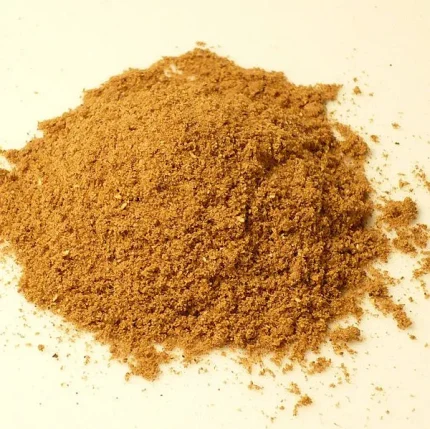
Garam masala
Garam masala adds depth and complexity to dishes, enhancing their flavor profile. It is commonly used in curries, stews, and marinades. The exact composition of garam masala can vary depending on regional preferences and personal taste. Its rich aroma and distinct taste make it a staple in Indian cooking.
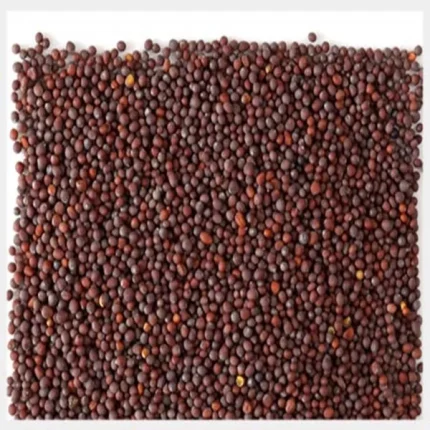

Safflower Seed
safflower seeds are often used as cooking oil, as well as in the production of margarine and salad dressings. Additionally, safflower seeds are also utilized in the manufacturing of bird feed due to their high protein content. They are rich in nutrients such as vitamin E, magnesium, and potassium, making them a healthy addition to one’s diet.

Soybeans
soybeans are a valuable source of oil, which is widely used in cooking and as an ingredient in many processed foods. Moreover, soybeans play a crucial role in animal feed production and are utilized in the manufacturing of biodiesel. With their nutritional benefits and diverse applications, soybeans have become a staple crop globally.
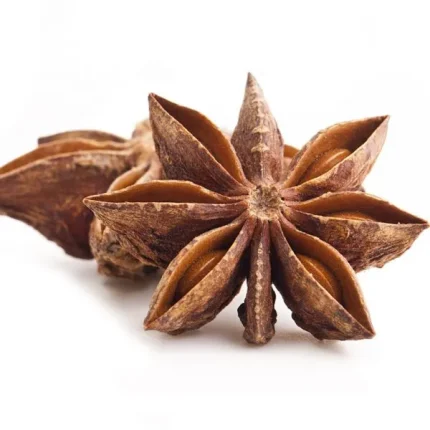
Star Anise
Star anise contains several bioactive compounds, including anethole, which gives it its distinct taste and aroma. It also possesses antioxidant, antimicrobial, and anti-inflammatory properties. In traditional medicine, star anise has been used to aid digestion, alleviate coughs and colds, and promote overall well-being.

Turmeric
Turmeric has been used for centuries in traditional Ayurvedic and Chinese medicine due to its numerous health benefits. It contains a compound called curcumin, which is responsible for its vibrant yellow color and potent antioxidant and anti-inflammatory properties. Curcumin has been studied extensively for its potential in treating various health conditions, including arthritis, heart disease, cancer, Alzheimer’s disease, and depression.

Wheat
Wheat is a staple cereal grain cultivated globally for its versatile culinary use and high nutritional value. This ancient crop belongs to the Triticum genus and is widely consumed as flour in bread, pasta, and various baked goods. With a golden-brown color and mild taste, wheat is rich in carbohydrates, fiber, and essential nutrients like iron, magnesium, and B vitamins. Its adaptability to diverse climates and ease of processing make it a crucial food source for millions worldwide.