

Wheat
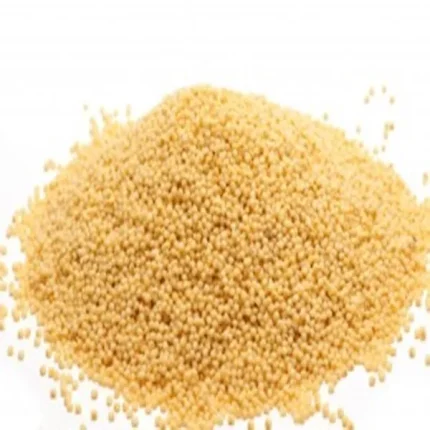
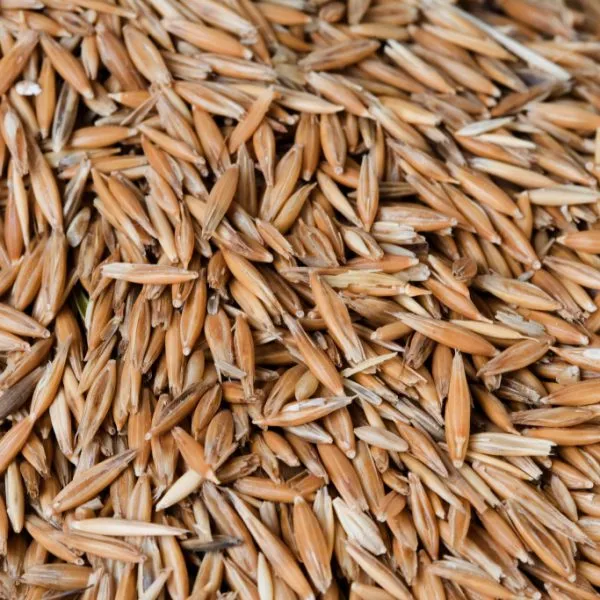
Wheat is a staple cereal grain cultivated globally for its versatile culinary use and high nutritional value. This ancient crop belongs to the Triticum genus and is widely consumed as flour in bread, pasta, and various baked goods. With a golden-brown color and mild taste, wheat is rich in carbohydrates, fiber, and essential nutrients like iron, magnesium, and B vitamins. Its adaptability to diverse climates and ease of processing make it a crucial food source for millions worldwide.
Wheat is a cereal grain widely cultivated for its edible seeds. It is a staple food for billions of people globally and a key ingredient in various products like bread, pasta, and pastries. With diverse varieties suited to different climates, wheat thrives in temperate regions. This versatile crop plays a crucial role in global food security, providing essential nutrients like carbohydrates, proteins, and fiber. Its cultivation dates back thousands of years, making it one of humanity’s oldest cultivated crops. Wheat’s adaptability, nutritional value, and widespread use make it a vital component of diets worldwide, contributing significantly to sustenance and nutrition across cultures and societies.
Related products

Asafoetida
Due to its potent flavor, only a small amount of asafoetida is needed to add depth and complexity to dishes. In traditional medicine, it is believed to have numerous health benefits, including anti-inflammatory and antimicrobial properties. However, scientific research on these claims is limited. Asafoetida can be found in both powdered and resin forms and is typically added to hot oil or ghee before being incorporated into recipes.

Cinnamon
Ceylon cinnamon has a delicate and slightly citrusy flavor, while Cassia cinnamon has a stronger and more intense taste. Besides its culinary uses, cinnamon also has potential health benefits, including anti-inflammatory and antioxidant properties. It may help regulate blood sugar levels, improve digestion, and boost brain function.

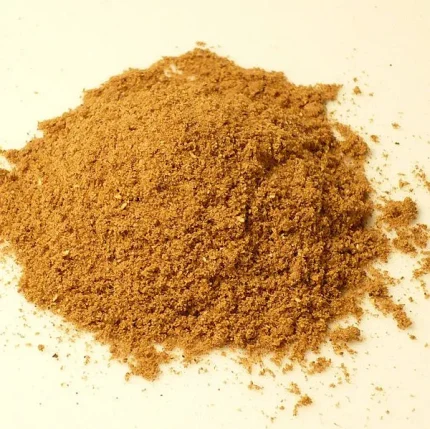
Garam masala
Garam masala adds depth and complexity to dishes, enhancing their flavor profile. It is commonly used in curries, stews, and marinades. The exact composition of garam masala can vary depending on regional preferences and personal taste. Its rich aroma and distinct taste make it a staple in Indian cooking.

Granular Sulphur
Granular sulphur is a form of elemental sulphur that is processed into small, granular particles. It is commonly used in various industries for its diverse applications. Granular sulphur is primarily produced through the Claus process, which involves the extraction of sulphur from natural gas or crude oil. The extracted sulphur is then melted and solidified into granules of different sizes.
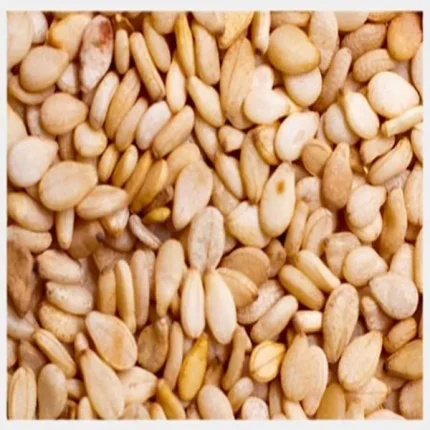
Sesame seed
Sesame seeds come in different colors, including white, black, and brown. They are commonly used as a topping for bread, buns, and bagels, as well as in confectionery items like cookies and cakes. Sesame seeds are also a key ingredient in tahini, a paste used in Middle Eastern cuisine. Apart from their culinary uses, sesame seeds are known for their nutritional value, being rich in healthy fats, protein, fiber, vitamins, and minerals.

Tamarind
It adds a unique flavor to dishes and is often used as a natural souring agent. Apart from its culinary uses, tamarind also offers several health benefits. It is rich in vitamins, minerals, and antioxidants, which contribute to its potential anti-inflammatory and digestive properties. Tamarind has been used in traditional medicine for centuries to treat various ailments such as constipation, fever, and sore throat.