

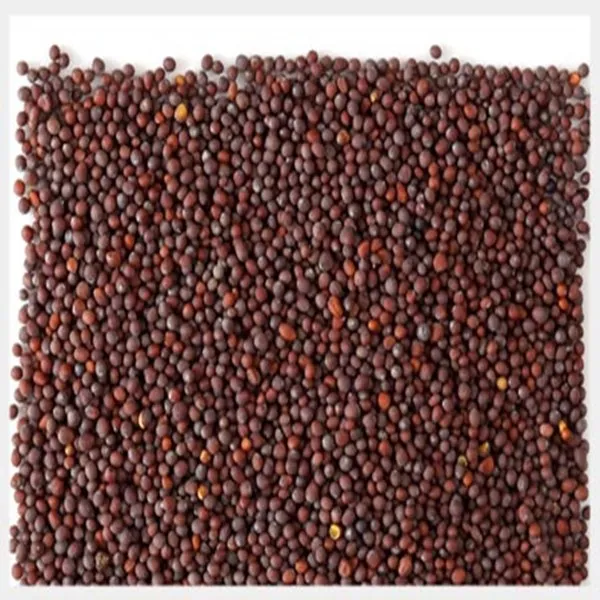


Mustard Seed
Mustard seeds are often ground into a powder or used whole in pickling, marinades, dressings, and sauces. They are also used to make mustard oil, which is widely used in cooking and as a traditional remedy for various ailments.
A mustard seed is the small, round seed of the mustard plant, scientifically known as Sinapis alba or Brassica nigra. It is commonly used as a spice and condiment in various cuisines around the world. Mustard seeds come in different colors, including yellow, brown, and black, each with its own distinct flavor profile. They are known for their pungent and slightly bitter taste. Mustard seeds are often ground into a powder or used whole in pickling, marinades, dressings, and sauces. They are also used to make mustard oil, which is widely used in cooking and as a traditional remedy for various ailments.
Related products
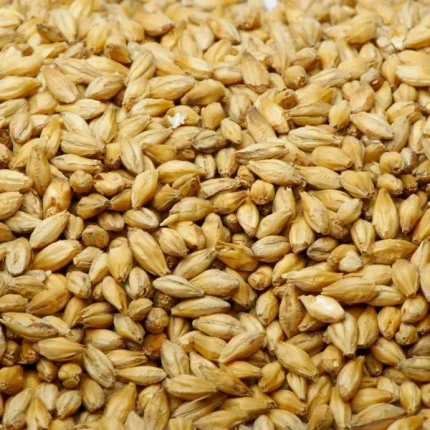
Barley Grain
Barley Grain: A versatile cereal grain widely cultivated worldwide. Known for its nutty flavor and chewy texture, barley is used as a staple food, animal feed, and brewing ingredient. Rich in fiber, vitamins, and minerals, it offers numerous health benefits. Barley is often used in soups, stews, salads, and as a rice substitute. Its adaptability to various climates makes it a crucial crop for agriculture and an essential component of human diets for centuries.

Cinnamon
Ceylon cinnamon has a delicate and slightly citrusy flavor, while Cassia cinnamon has a stronger and more intense taste. Besides its culinary uses, cinnamon also has potential health benefits, including anti-inflammatory and antioxidant properties. It may help regulate blood sugar levels, improve digestion, and boost brain function.

Cloves Spice
Cloves can be used whole or ground, and they are commonly found in spice blends such as garam masala and pumpkin spice. They pair well with other warm spices like cinnamon and nutmeg, as well as with fruits like apples and oranges. Cloves are also a key ingredient in pickling spices and mulled wine.

Fenugreek
Fenugreek is also known for its numerous health benefits. It is rich in vitamins, minerals, and antioxidants that contribute to its medicinal properties. It has been traditionally used to improve digestion, reduce inflammation, boost milk production in breastfeeding mothers, regulate blood sugar levels, promote weight loss, and enhance libido. Fenugreek can be consumed in various forms such as capsules, powders, teas, or added directly to food preparations. However, it is important to note that fenugreek may cause allergic reactions in some individuals and may interact with certain medications. Therefore, it is advisable to consult a healthcare professional before incorporating fenugreek into your diet or using it for medicinal purposes.
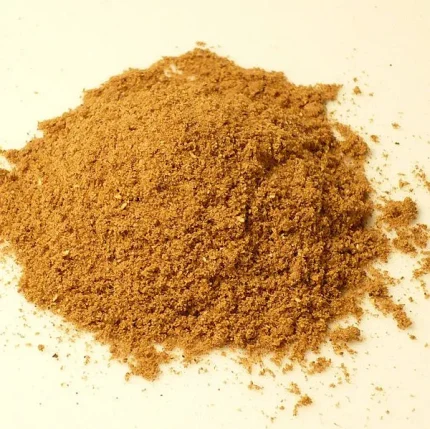
Garam masala
Garam masala adds depth and complexity to dishes, enhancing their flavor profile. It is commonly used in curries, stews, and marinades. The exact composition of garam masala can vary depending on regional preferences and personal taste. Its rich aroma and distinct taste make it a staple in Indian cooking.

Green Cardomom
- Commercial Cardamom is the dried ripe fruit (capsules of cardamom plant) often referred to as the“Queen of Spices” because of its very pleasant aroma and taste. Cardamom is a perennial, herbaceous, rhizomatous plant. You can also buy cardamom seeds; however, they lose much of their flavor. Ground cardamom has even less flavor than the fresher ones. Most recipes usually call for Green cardamom. Cardamom has a strong, unique spicy-sweet taste, which is slightly aromatic. Cardamom is more expensive than other spices. If a recipe calls for 10 pods that would equal 1 ½ tsp ground.
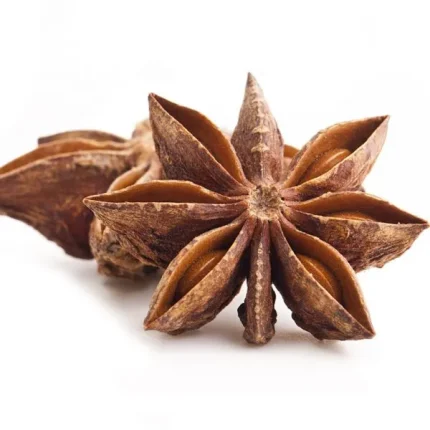
Star Anise
Star anise contains several bioactive compounds, including anethole, which gives it its distinct taste and aroma. It also possesses antioxidant, antimicrobial, and anti-inflammatory properties. In traditional medicine, star anise has been used to aid digestion, alleviate coughs and colds, and promote overall well-being.
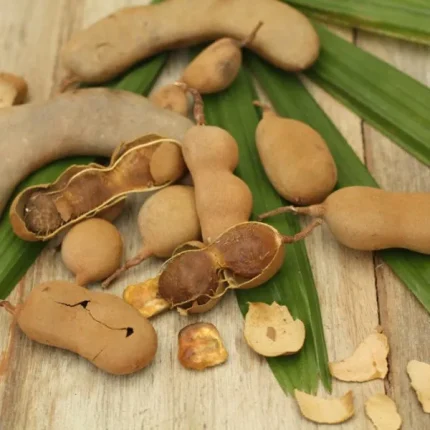
Tamarind
It adds a unique flavor to dishes and is often used as a natural souring agent. Apart from its culinary uses, tamarind also offers several health benefits. It is rich in vitamins, minerals, and antioxidants, which contribute to its potential anti-inflammatory and digestive properties. Tamarind has been used in traditional medicine for centuries to treat various ailments such as constipation, fever, and sore throat.
Reviews
There are no reviews yet.