




Tamarind
It adds a unique flavor to dishes and is often used as a natural souring agent. Apart from its culinary uses, tamarind also offers several health benefits. It is rich in vitamins, minerals, and antioxidants, which contribute to its potential anti-inflammatory and digestive properties. Tamarind has been used in traditional medicine for centuries to treat various ailments such as constipation, fever, and sore throat.
Tamarind is a tropical fruit that is widely known for its tangy and sour taste. It is derived from the pod of the tamarind tree, scientifically known as Tamarindus indica. The fruit has a brown, hard outer shell and contains a sticky pulp that surrounds the seeds. Tamarind pulp is commonly used in various culinary applications, including sauces, chutneys, candies, and beverages. It adds a unique flavor to dishes and is often used as a natural souring agent. Apart from its culinary uses, tamarind also offers several health benefits. It is rich in vitamins, minerals, and antioxidants, which contribute to its potential anti-inflammatory and digestive properties. Tamarind has been used in traditional medicine for centuries to treat various ailments such as constipation, fever, and sore throat.
Related products

Amber seed
Amber seed has a unique and complex aroma, often described as musky, earthy, and sweet. It is widely used in the perfume industry as a fixative to enhance the longevity and diffusion of fragrances. Due to its scarcity and high demand, amber seed is considered a luxury ingredient. Its use dates back centuries, and it continues to be highly prized today.

Cloves Spice
Cloves can be used whole or ground, and they are commonly found in spice blends such as garam masala and pumpkin spice. They pair well with other warm spices like cinnamon and nutmeg, as well as with fruits like apples and oranges. Cloves are also a key ingredient in pickling spices and mulled wine.

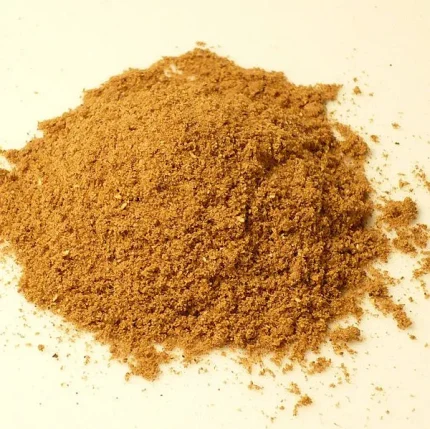
Garam masala
Garam masala adds depth and complexity to dishes, enhancing their flavor profile. It is commonly used in curries, stews, and marinades. The exact composition of garam masala can vary depending on regional preferences and personal taste. Its rich aroma and distinct taste make it a staple in Indian cooking.
Lentils
Lentils are commonly used in soups, stews, salads, and side dishes worldwide, contributing to healthy and satisfying meals. Their versatility, affordability, and health benefits make them a popular choice for vegans, vegetarians, and anyone seeking a wholesome and delicious plant-based protein source.
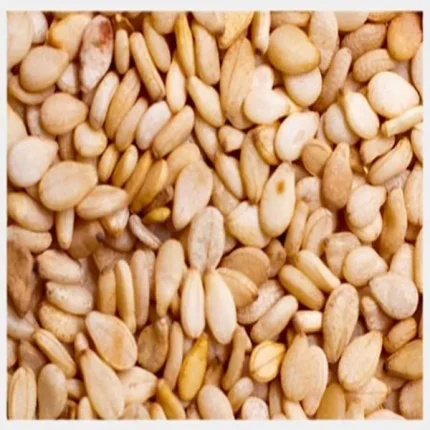
Sesame seed
Sesame seeds come in different colors, including white, black, and brown. They are commonly used as a topping for bread, buns, and bagels, as well as in confectionery items like cookies and cakes. Sesame seeds are also a key ingredient in tahini, a paste used in Middle Eastern cuisine. Apart from their culinary uses, sesame seeds are known for their nutritional value, being rich in healthy fats, protein, fiber, vitamins, and minerals.
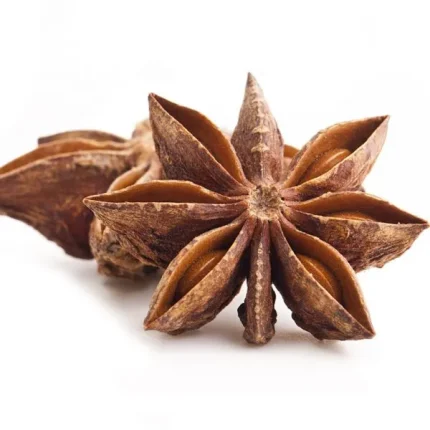
Star Anise
Star anise contains several bioactive compounds, including anethole, which gives it its distinct taste and aroma. It also possesses antioxidant, antimicrobial, and anti-inflammatory properties. In traditional medicine, star anise has been used to aid digestion, alleviate coughs and colds, and promote overall well-being.

Turmeric
Turmeric has been used for centuries in traditional Ayurvedic and Chinese medicine due to its numerous health benefits. It contains a compound called curcumin, which is responsible for its vibrant yellow color and potent antioxidant and anti-inflammatory properties. Curcumin has been studied extensively for its potential in treating various health conditions, including arthritis, heart disease, cancer, Alzheimer’s disease, and depression.