

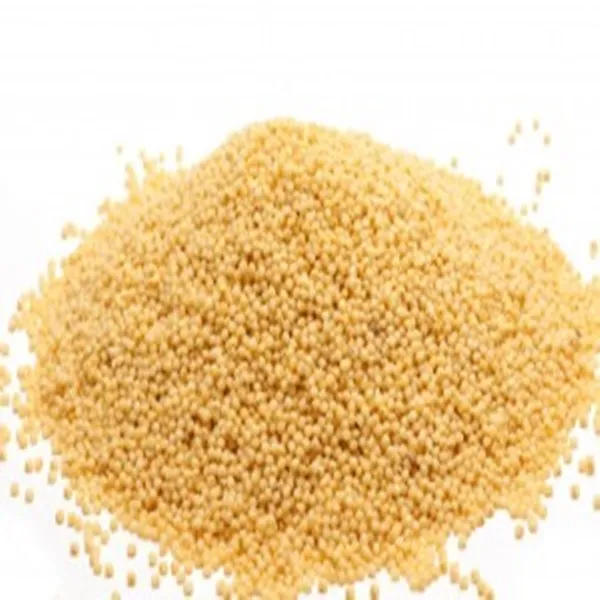
White French Millet
White French Millet is rich in protein, fiber, and essential minerals, including iron, magnesium, and potassium. It also has a low glycemic index, which makes it a great option for people with diabetes or those trying to maintain healthy blood sugar levels.
White French Millet, or commonly known as pearl millet or bulrush millet, is a small-grained cereal crop that is widely consumed in many parts of the world. This pale, off-white and round-shaped grain is highly nutritious and gluten-free, making it a popular choice for those with dietary restrictions.
The French variety of pearl millet is particularly valued for its tender texture, mild flavor, and nutritional value, and is used in a variety of dishes, including bread, porridge, pilaf, and even alcoholic beverages. The grain is known for soaking up flavors and can be seasoned with spices, herbs, and other ingredients to create a flavorful and satisfying meal.
White French Millet is rich in protein, fiber, and essential minerals, including iron, magnesium, and potassium. It also has a low glycemic index, which makes it a great option for people with diabetes or those trying to maintain healthy blood sugar levels.
In summary, White French Millet is a versatile and nutritious grain that can be used in many ways to create tasty and healthy meals. Its mild flavor and tender texture make it a great complement to a wide variety of dishes, while its numerous health benefits make it a valuable addition to any diet.
Related products
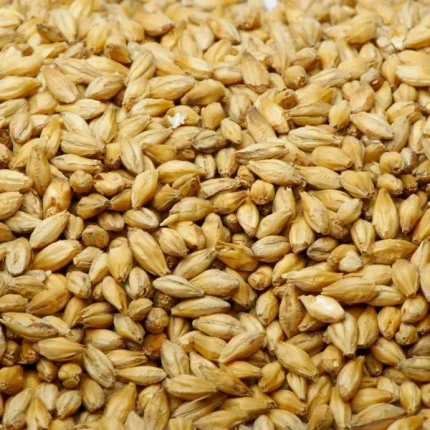
Barley Grain
Barley Grain: A versatile cereal grain widely cultivated worldwide. Known for its nutty flavor and chewy texture, barley is used as a staple food, animal feed, and brewing ingredient. Rich in fiber, vitamins, and minerals, it offers numerous health benefits. Barley is often used in soups, stews, salads, and as a rice substitute. Its adaptability to various climates makes it a crucial crop for agriculture and an essential component of human diets for centuries.

Cinnamon
Ceylon cinnamon has a delicate and slightly citrusy flavor, while Cassia cinnamon has a stronger and more intense taste. Besides its culinary uses, cinnamon also has potential health benefits, including anti-inflammatory and antioxidant properties. It may help regulate blood sugar levels, improve digestion, and boost brain function.


Granular Sulphur
Granular sulphur is a form of elemental sulphur that is processed into small, granular particles. It is commonly used in various industries for its diverse applications. Granular sulphur is primarily produced through the Claus process, which involves the extraction of sulphur from natural gas or crude oil. The extracted sulphur is then melted and solidified into granules of different sizes.
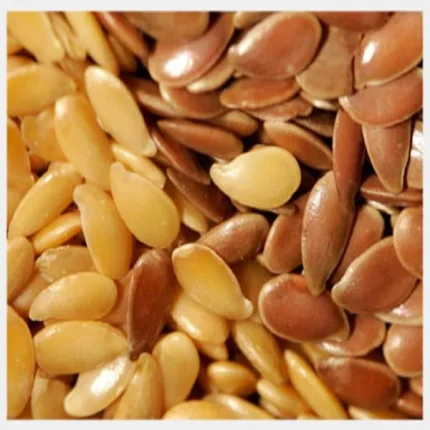

Rapeseed
Rapeseed is primarily grown in temperate regions worldwide, with Canada being the largest producer. The oil extracted from rapeseed seeds is used for cooking, biodiesel production, and as a feedstock for industrial applications. Additionally, rapeseed meal, a byproduct of oil extraction, is utilized as animal feed due to its high protein content.
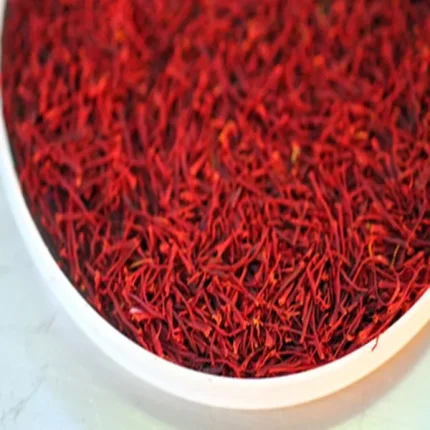
Saffron
Saffron has been used for centuries in various cuisines, particularly in Mediterranean, Middle Eastern, and Indian dishes. It imparts a unique flavor and adds a beautiful golden hue to dishes. Apart from its culinary uses, saffron also has medicinal properties and is believed to have antioxidant, anti-inflammatory, and mood-enhancing effects. Due to its labor-intensive harvesting process, saffron is one of the most expensive spices in the world. It is often used in small quantities due to its potent flavor and high cost.
