




Rapeseed
Rapeseed is primarily grown in temperate regions worldwide, with Canada being the largest producer. The oil extracted from rapeseed seeds is used for cooking, biodiesel production, and as a feedstock for industrial applications. Additionally, rapeseed meal, a byproduct of oil extraction, is utilized as animal feed due to its high protein content.
Rapeseed, scientifically known as Brassica napus, is a bright yellow flowering plant belonging to the Brassicaceae family. It is cultivated for its oil-rich seeds, commonly used in various industries. Rapeseed oil is widely recognized for its nutritional value and versatility. The plant is an annual crop that can reach a height of up to 1.5 meters. It has broad, lobed leaves and produces vibrant yellow flowers that eventually develop into seed pods. Rapeseed is primarily grown in temperate regions worldwide, with Canada being the largest producer. The oil extracted from rapeseed seeds is used for cooking, biodiesel production, and as a feedstock for industrial applications. Additionally, rapeseed meal, a byproduct of oil extraction, is utilized as animal feed due to its high protein content.
Related products

Amber seed
Amber seed has a unique and complex aroma, often described as musky, earthy, and sweet. It is widely used in the perfume industry as a fixative to enhance the longevity and diffusion of fragrances. Due to its scarcity and high demand, amber seed is considered a luxury ingredient. Its use dates back centuries, and it continues to be highly prized today.
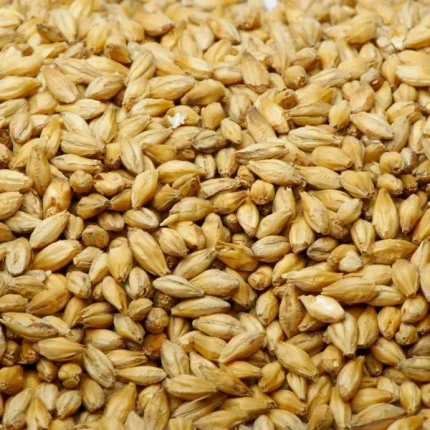
Barley Grain
Barley Grain: A versatile cereal grain widely cultivated worldwide. Known for its nutty flavor and chewy texture, barley is used as a staple food, animal feed, and brewing ingredient. Rich in fiber, vitamins, and minerals, it offers numerous health benefits. Barley is often used in soups, stews, salads, and as a rice substitute. Its adaptability to various climates makes it a crucial crop for agriculture and an essential component of human diets for centuries.

Cinnamon
Ceylon cinnamon has a delicate and slightly citrusy flavor, while Cassia cinnamon has a stronger and more intense taste. Besides its culinary uses, cinnamon also has potential health benefits, including anti-inflammatory and antioxidant properties. It may help regulate blood sugar levels, improve digestion, and boost brain function.

Granular Sulphur
Granular sulphur is a form of elemental sulphur that is processed into small, granular particles. It is commonly used in various industries for its diverse applications. Granular sulphur is primarily produced through the Claus process, which involves the extraction of sulphur from natural gas or crude oil. The extracted sulphur is then melted and solidified into granules of different sizes.

Safflower Seed
safflower seeds are often used as cooking oil, as well as in the production of margarine and salad dressings. Additionally, safflower seeds are also utilized in the manufacturing of bird feed due to their high protein content. They are rich in nutrients such as vitamin E, magnesium, and potassium, making them a healthy addition to one’s diet.
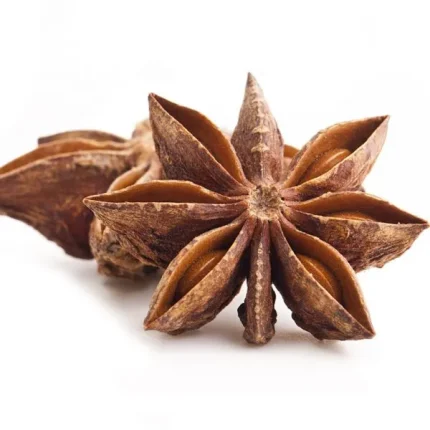
Star Anise
Star anise contains several bioactive compounds, including anethole, which gives it its distinct taste and aroma. It also possesses antioxidant, antimicrobial, and anti-inflammatory properties. In traditional medicine, star anise has been used to aid digestion, alleviate coughs and colds, and promote overall well-being.

Sunflower Seed
Sunflower seeds have a mild, nutty flavor and are commonly consumed as a snack or used as an ingredient in various culinary preparations. They are rich in nutrients such as protein, healthy fats, fiber, vitamins (including vitamin E), and minerals (such as magnesium, selenium, and copper). Sunflower seeds are also known for their potential health benefits, including promoting heart health, reducing inflammation, supporting brain function, and aiding in weight management.

Tamarind
It adds a unique flavor to dishes and is often used as a natural souring agent. Apart from its culinary uses, tamarind also offers several health benefits. It is rich in vitamins, minerals, and antioxidants, which contribute to its potential anti-inflammatory and digestive properties. Tamarind has been used in traditional medicine for centuries to treat various ailments such as constipation, fever, and sore throat.